01
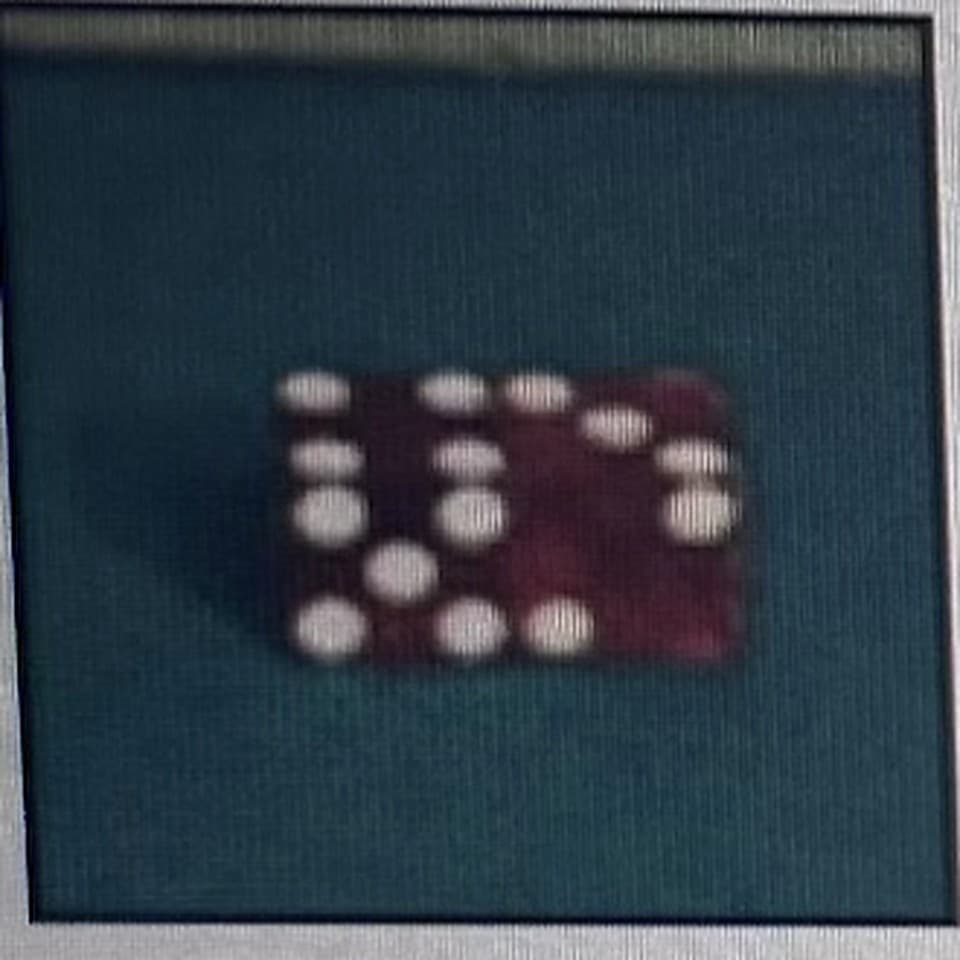
All Sevens Set
Practice focus: the two visible pairs total seven, making the location of seven combinations and one-face pitch changes easy to study. Use it as an orientation reference, not an outcome promise.
View demonstrations on the channelA repeatable throw begins before release. The library separates the process into dice orientation, grip methods, and table-adapted delivery so each stage can be understood independently.
Preparation · 02
Each set is treated as a visual reference: identify the top and front faces, reproduce the orientation consistently, then connect it to grip and release. The cards below explain each set's distinguishing feature and practical training focus without presenting it as a promised outcome.
Practice focus: the two visible pairs total seven, making the location of seven combinations and one-face pitch changes easy to study. Use it as an orientation reference, not an outcome promise.
View demonstrations on the channel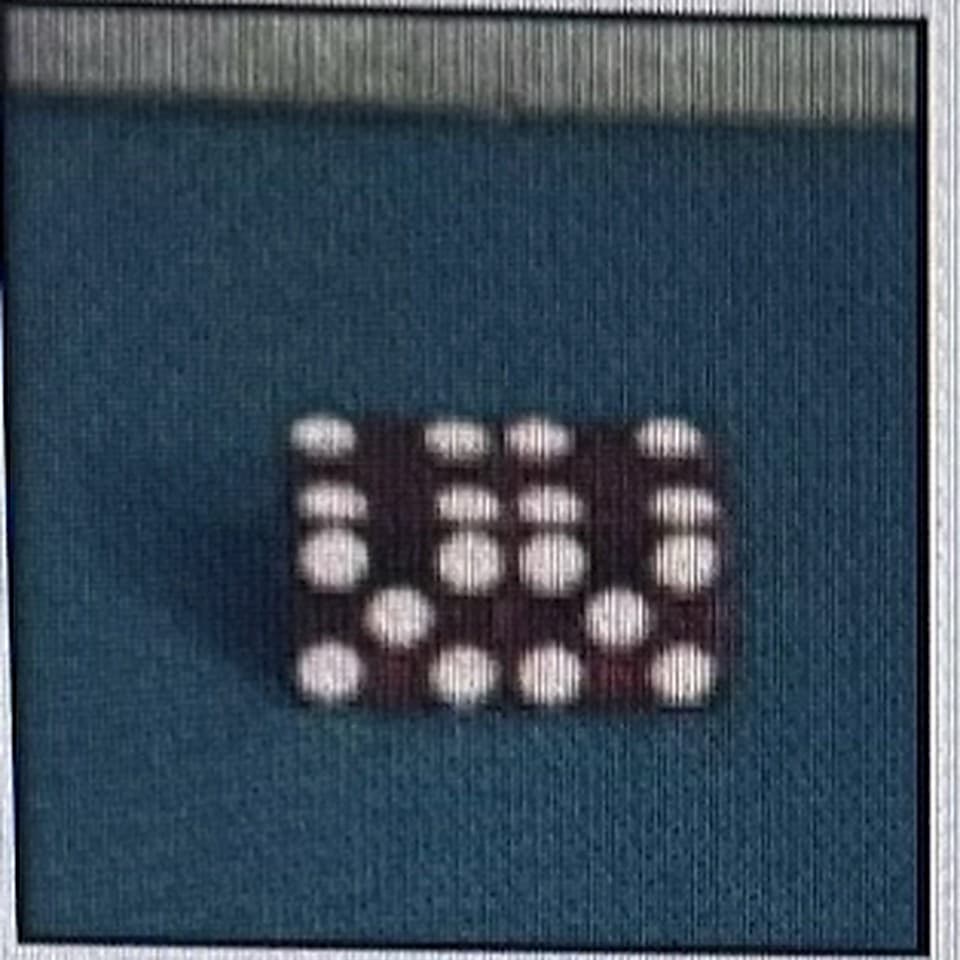
Practice focus: matching hardway faces makes relative rotation easier to read. If both dice remain on the intended primary axis, a seven is not present on that primary rotation; this is an analysis reference, not a promised result.
View demonstrations on the channel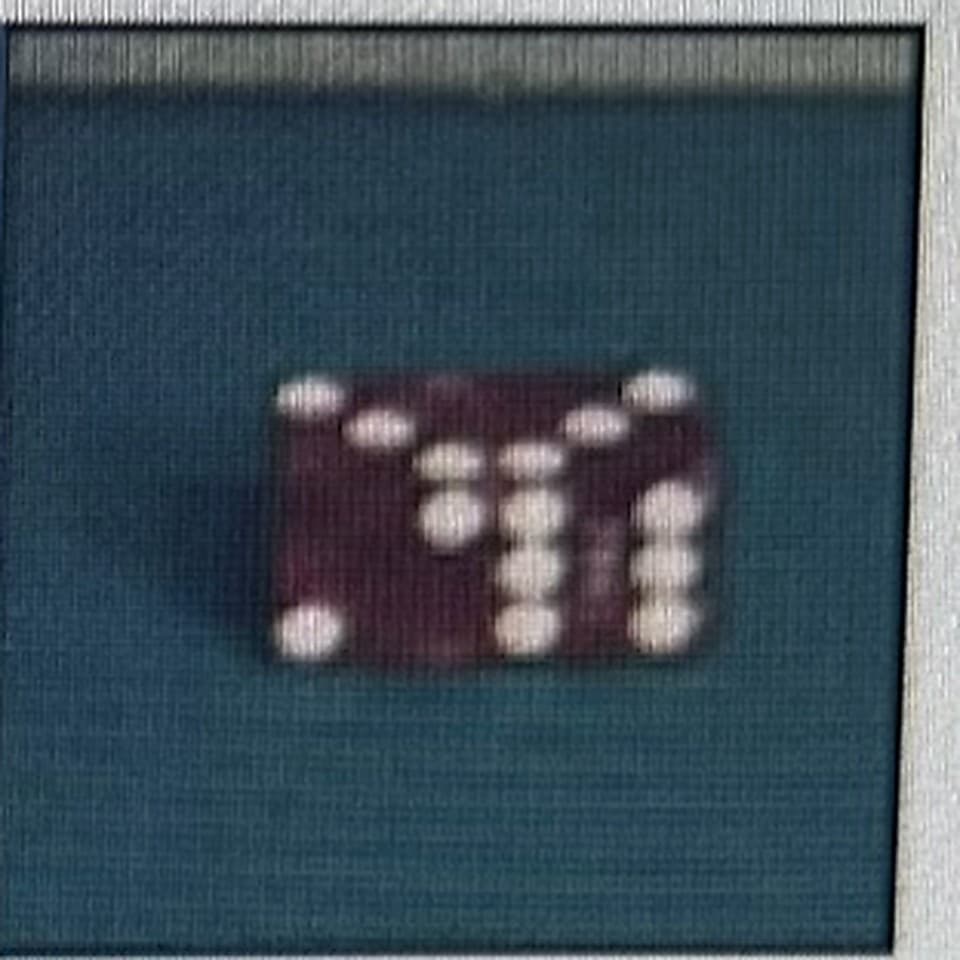
Practice focus: the paired threes form a clear V-shaped marker. Its primary faces emphasise six and eight combinations, making pitch, alignment, and matched rotation easy to review.
View demonstrations on the channel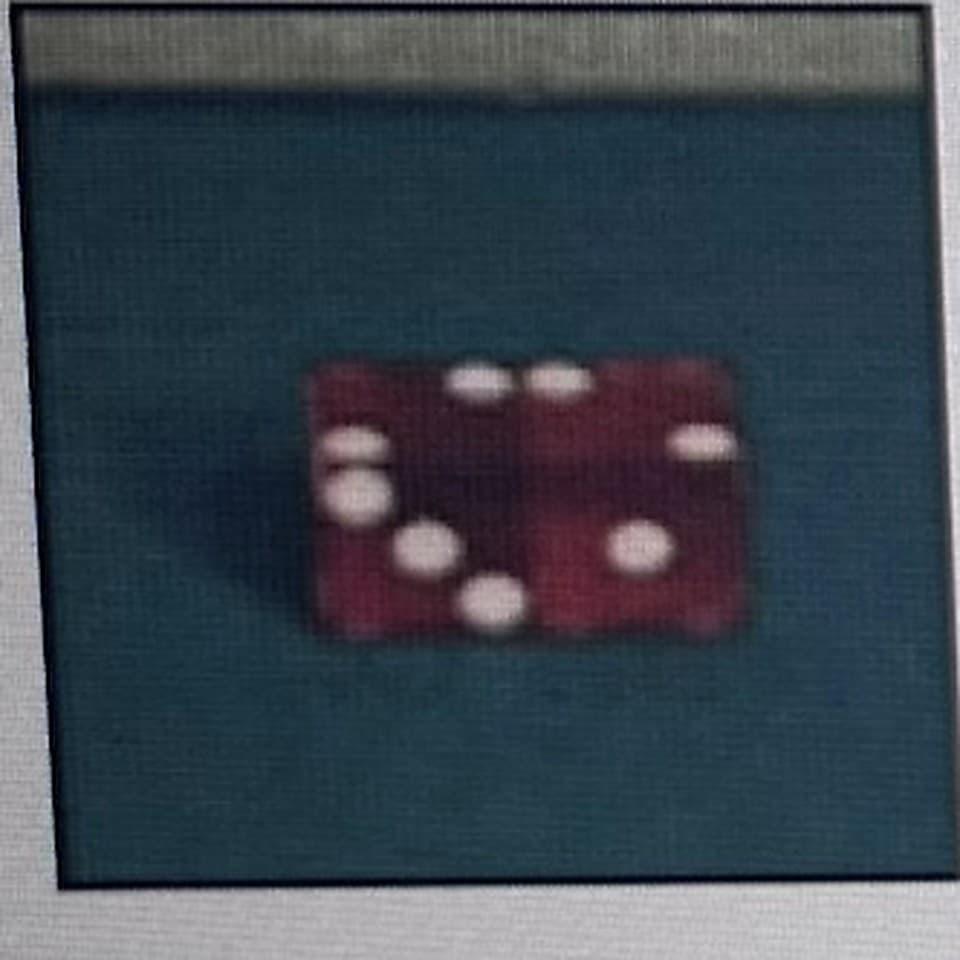
Practice focus: the paired twos form another V reference whose primary faces emphasise four and ten combinations, useful when comparing outside-number orientation with the 3V set.
View demonstrations on the channel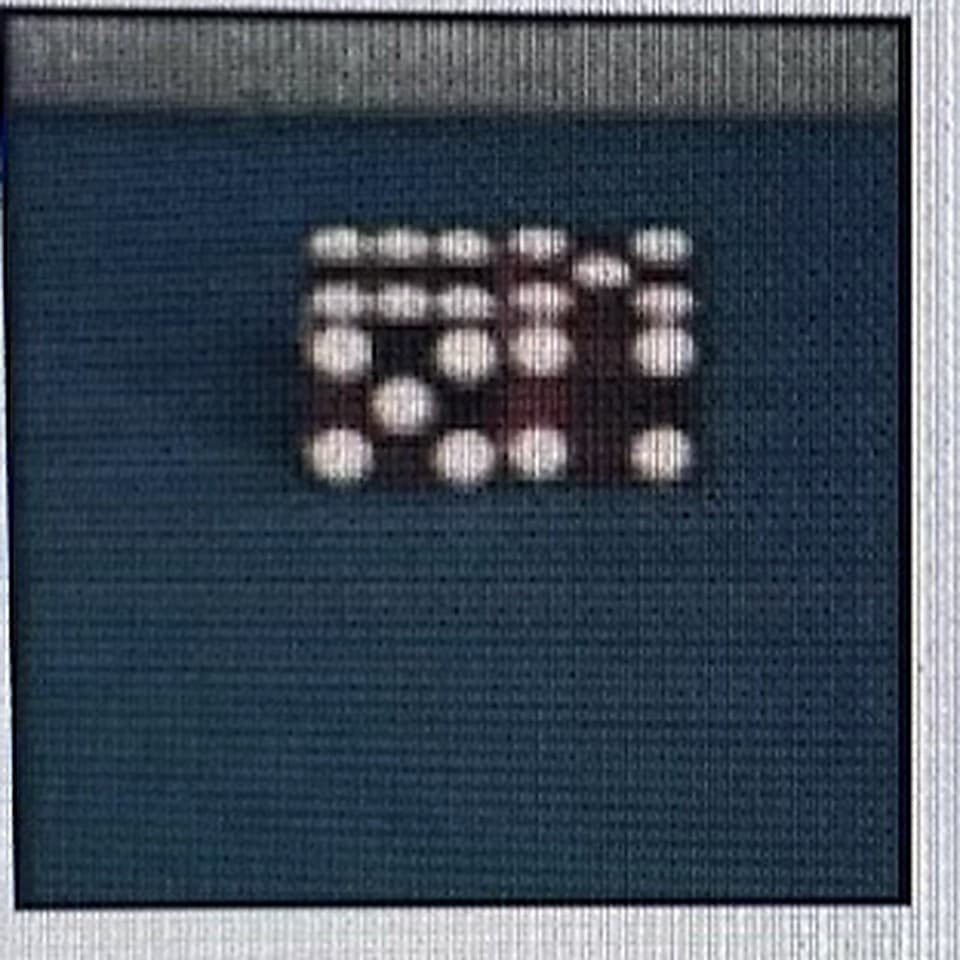
Practice focus: the 6/5 and 5/4 face relationships provide two fixed checkpoints for comparing pitch, adjacent-face movement, and the consistency of a paired release.
View demonstrations on the channel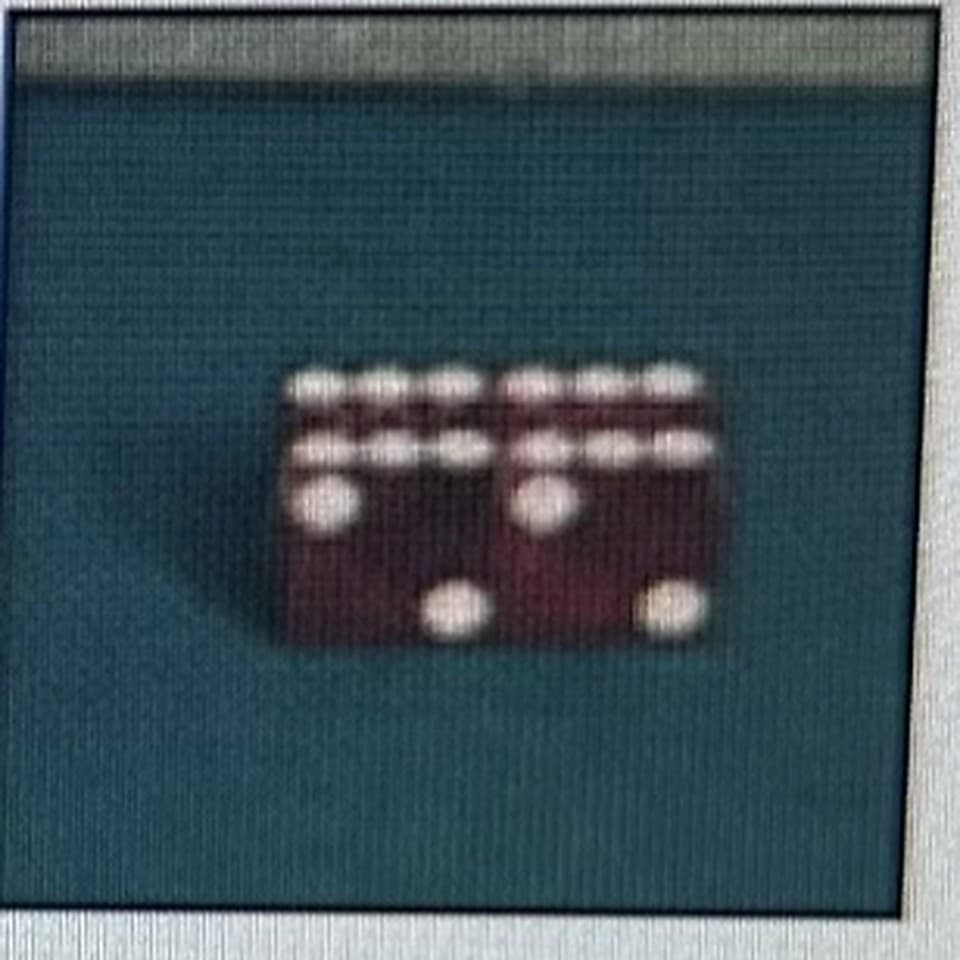
Practice focus: aligned six faces form a strong straight visual line, making unequal rotation, yaw, and separation between the dice easier to identify on video.
View demonstrations on the channel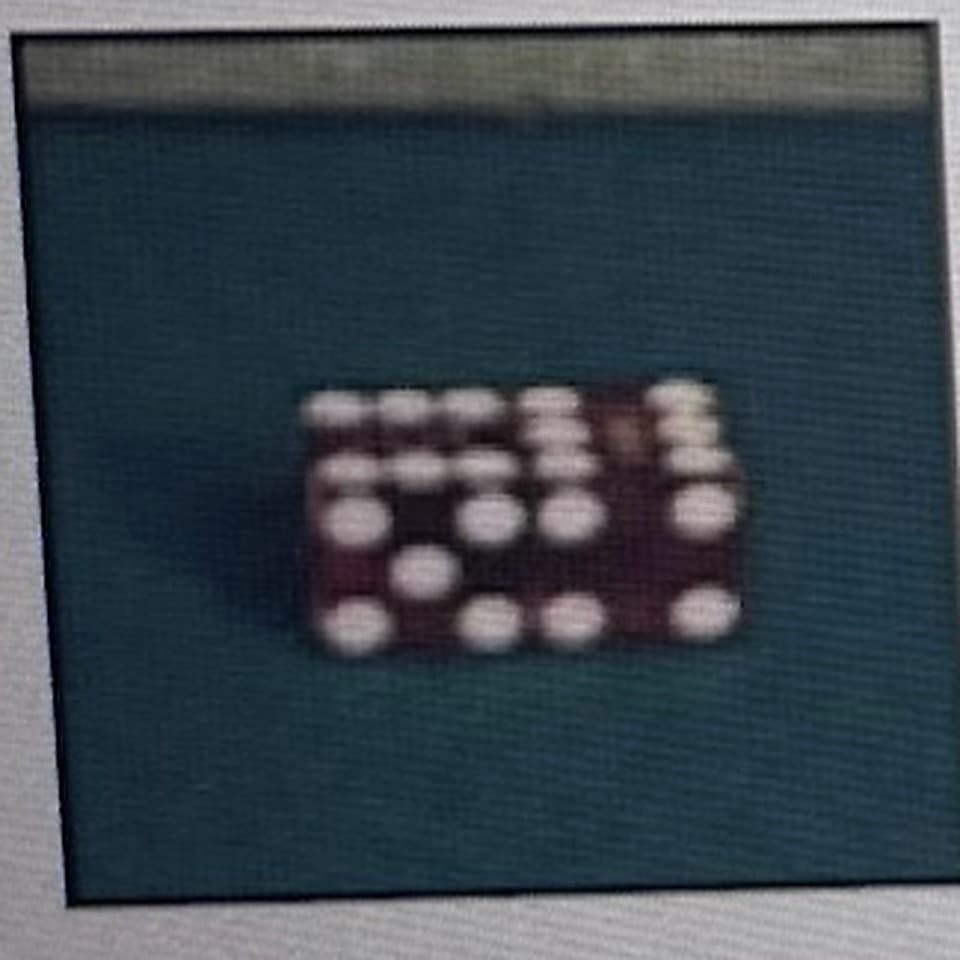
Practice focus: crossing the six-face orientation creates a distinct reference for observing yaw and whether the dice preserve their starting relationship through release.
View demonstrations on the channel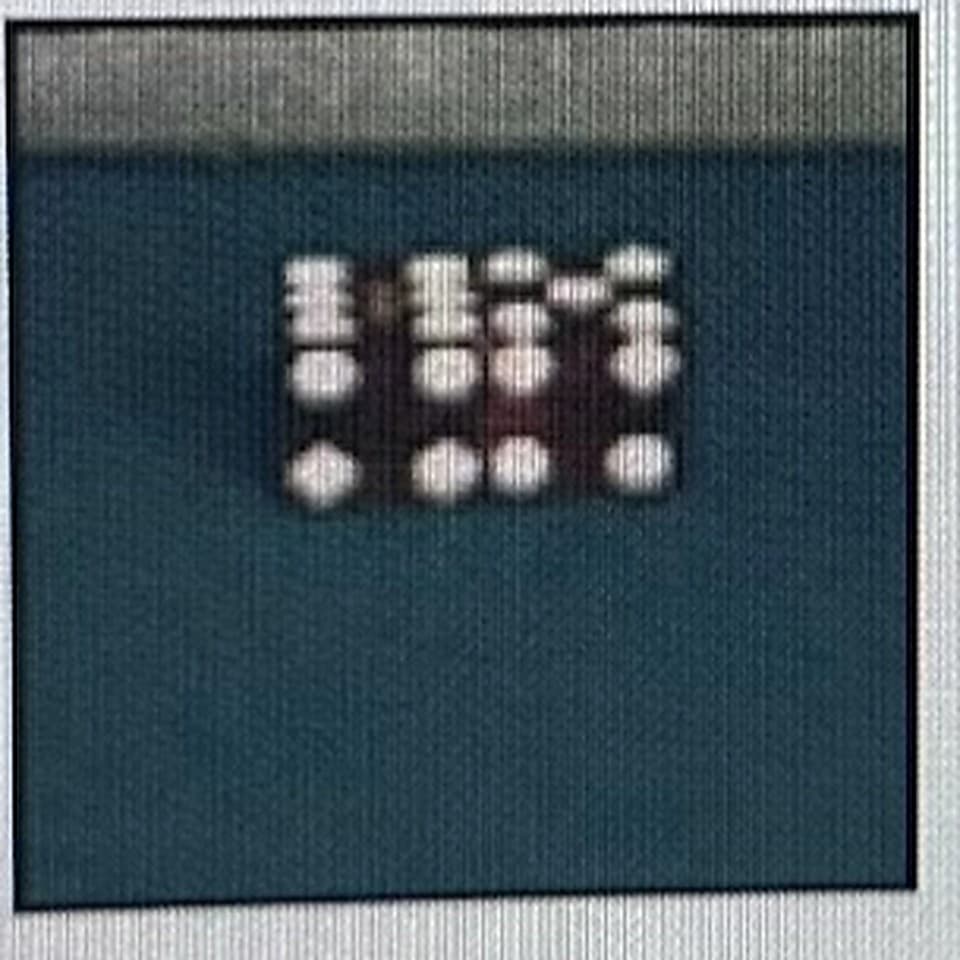
Practice focus: the 6/5 and paired-four checkpoints make the transition between an asymmetric face pair and a hardway pair easy to compare during rotation review.
View demonstrations on the channel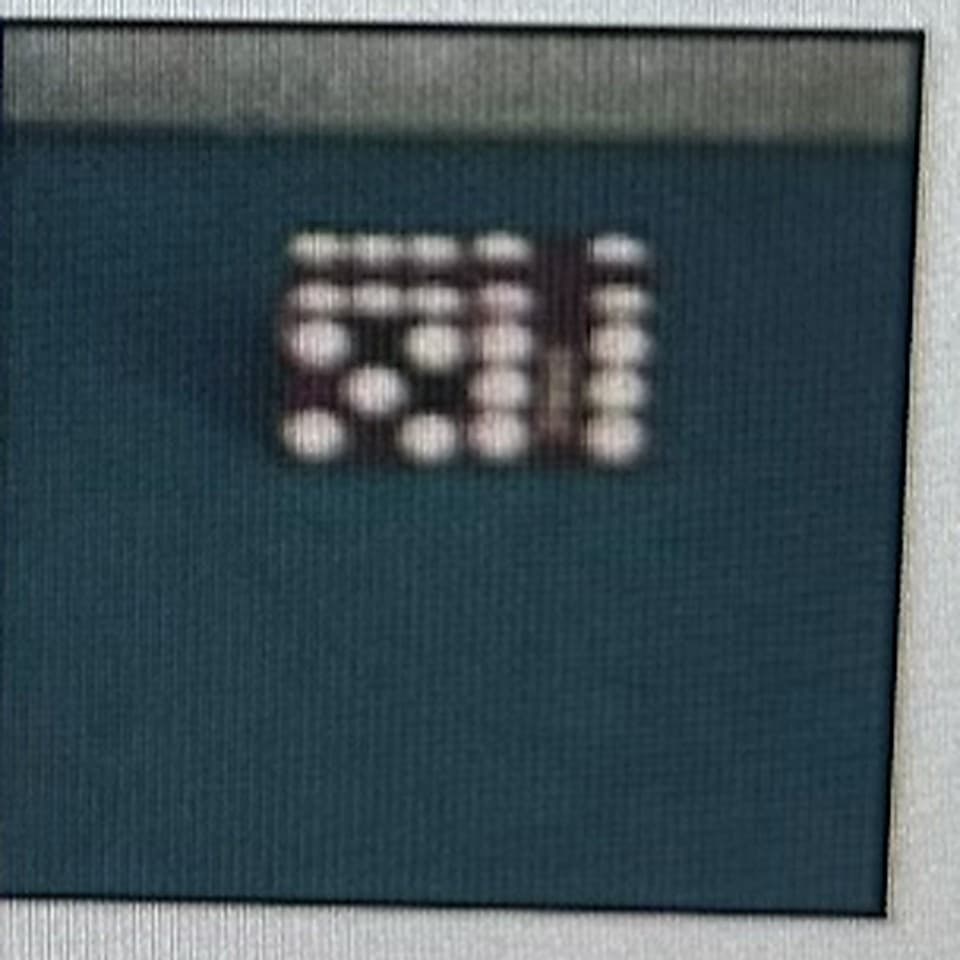
Practice focus: the 6/4 and 5/6 checkpoints provide visibly different pairings for tracing pitch direction and whether both dice move through the same number of faces.
View demonstrations on the channel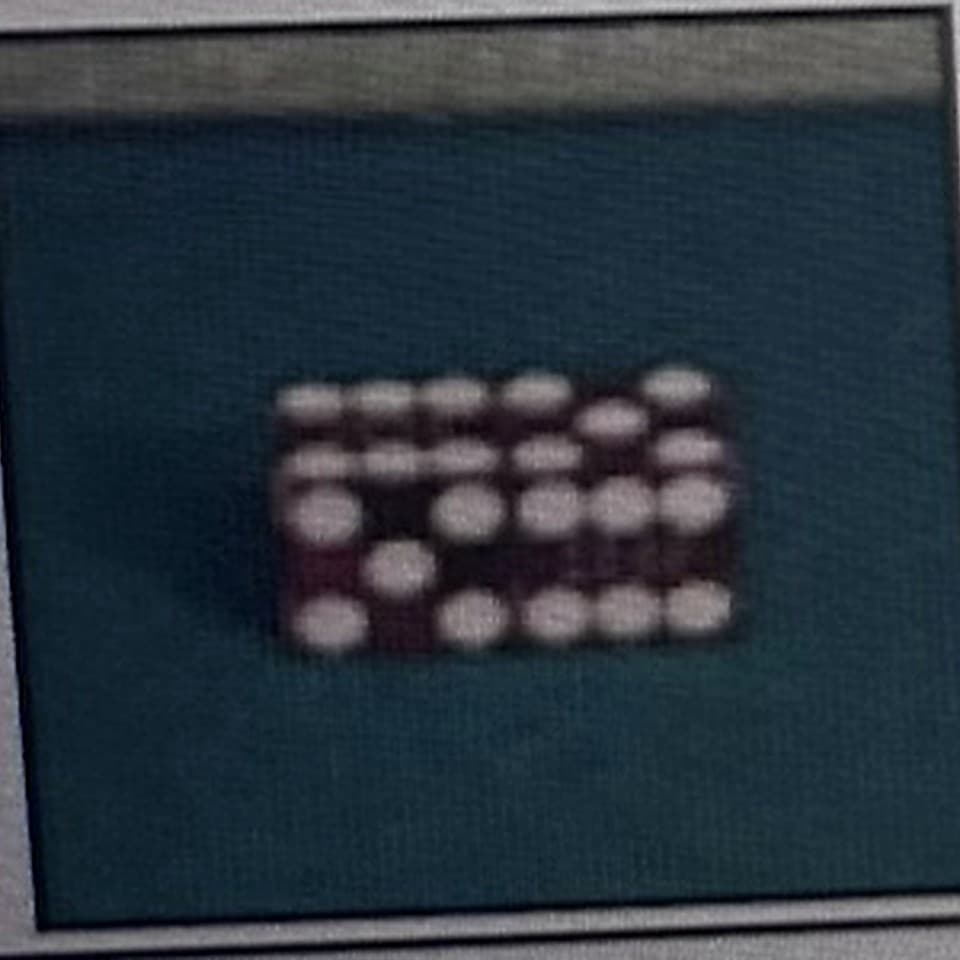
Practice focus: the mirrored 6/5 and 5/6 checkpoints create a clear symmetry test for spacing, paired movement, and whether one die pitches ahead of the other.
View demonstrations on the channelFinger Placement · 03
Grip connects the chosen dice orientation to the release. The best reference is the one that fits the hand comfortably, keeps pressure even, and can be repeated without separating the dice. The seven close-ups below make the principal contact points easier to compare.
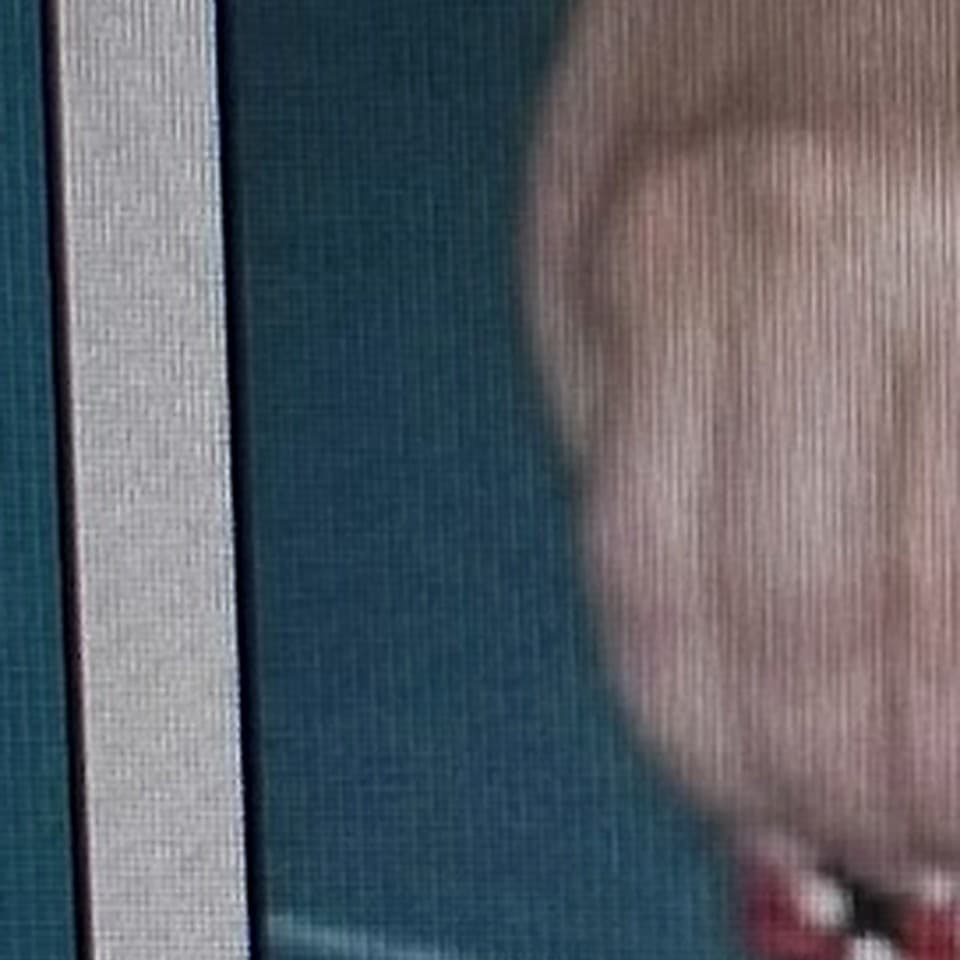
Index, middle, and ring fingers share the far upper edge while the thumb supports the rear centre. Keep the two dice square and use light, even contact.
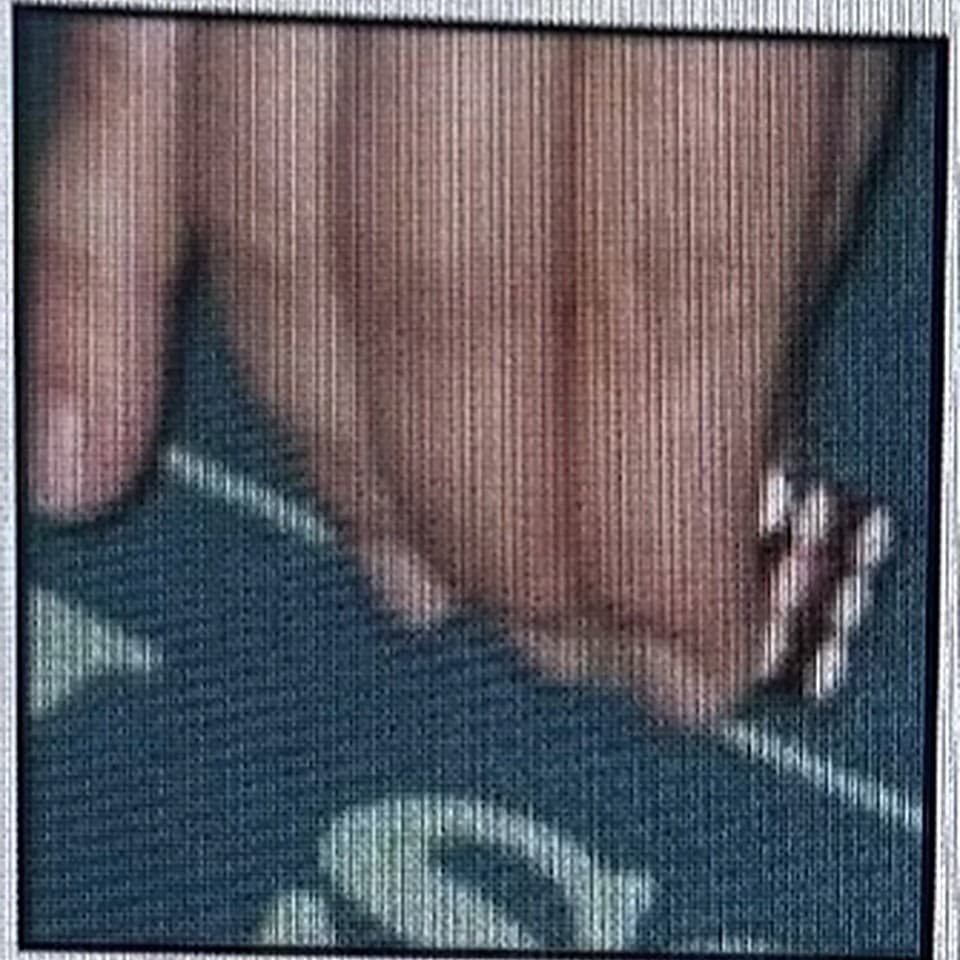
The thumb rests on the rear edge and three fingers share the opposing front edge. Edge-only contact creates a diagonal support line across the paired dice.
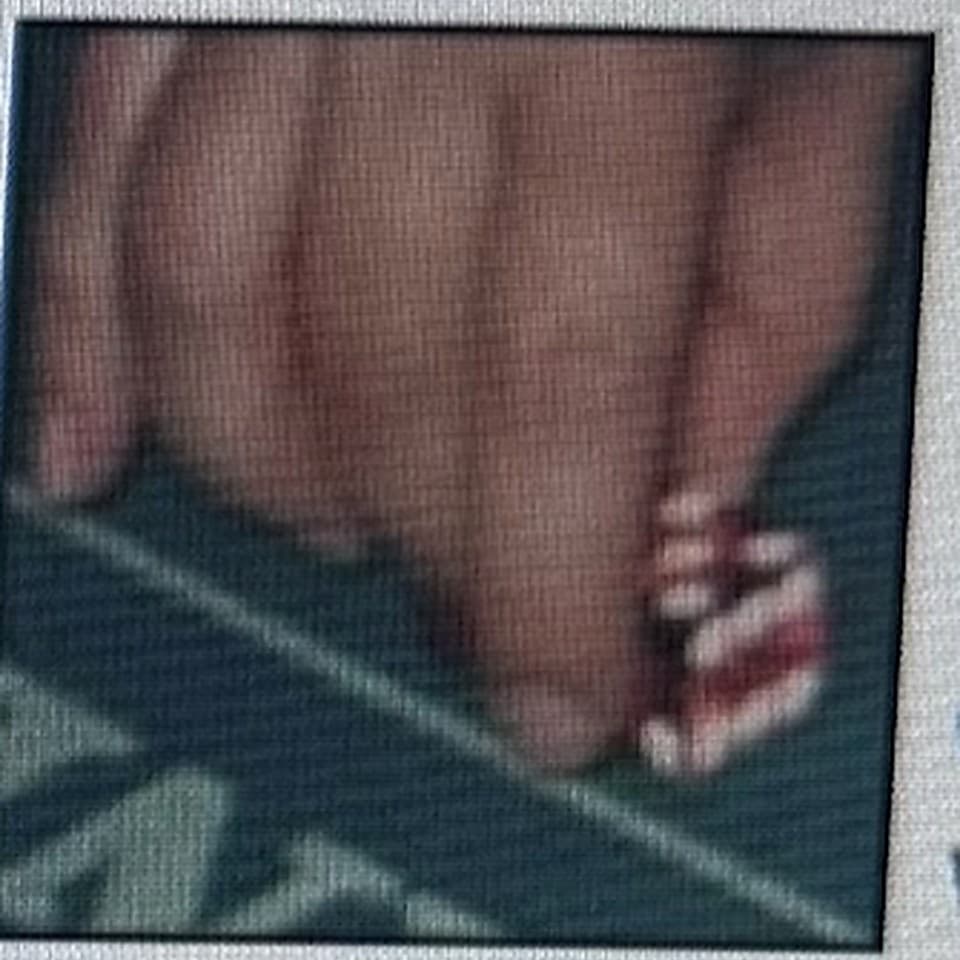
A low-contact pincer uses opposing points around the centre seam. Apply only enough even pressure to keep the dice paired during pickup.

Thumb and index finger hold the two outside faces like a pair of tongs. The top faces remain clear; finger height should stay level so the dice lift together.
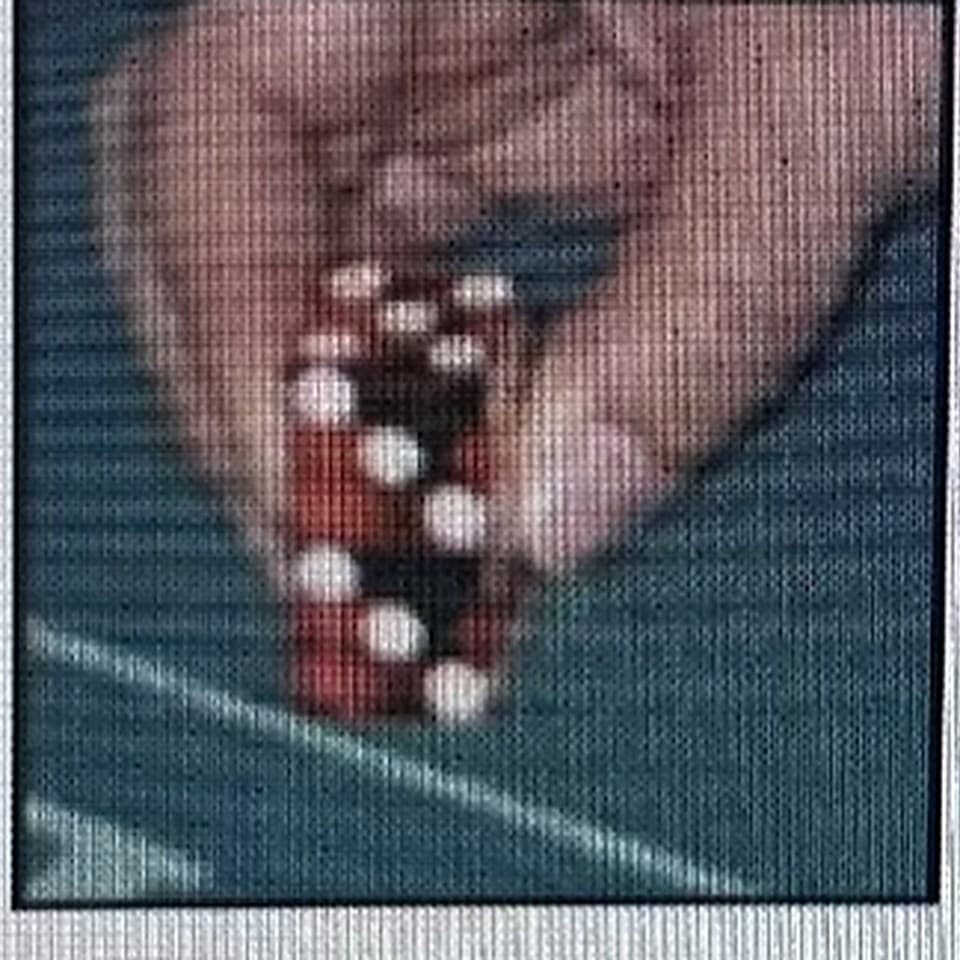
One die sits directly above the other and the vertical pair is stabilised around the middle seam. Its pickup and release are distinct from side-by-side grips.
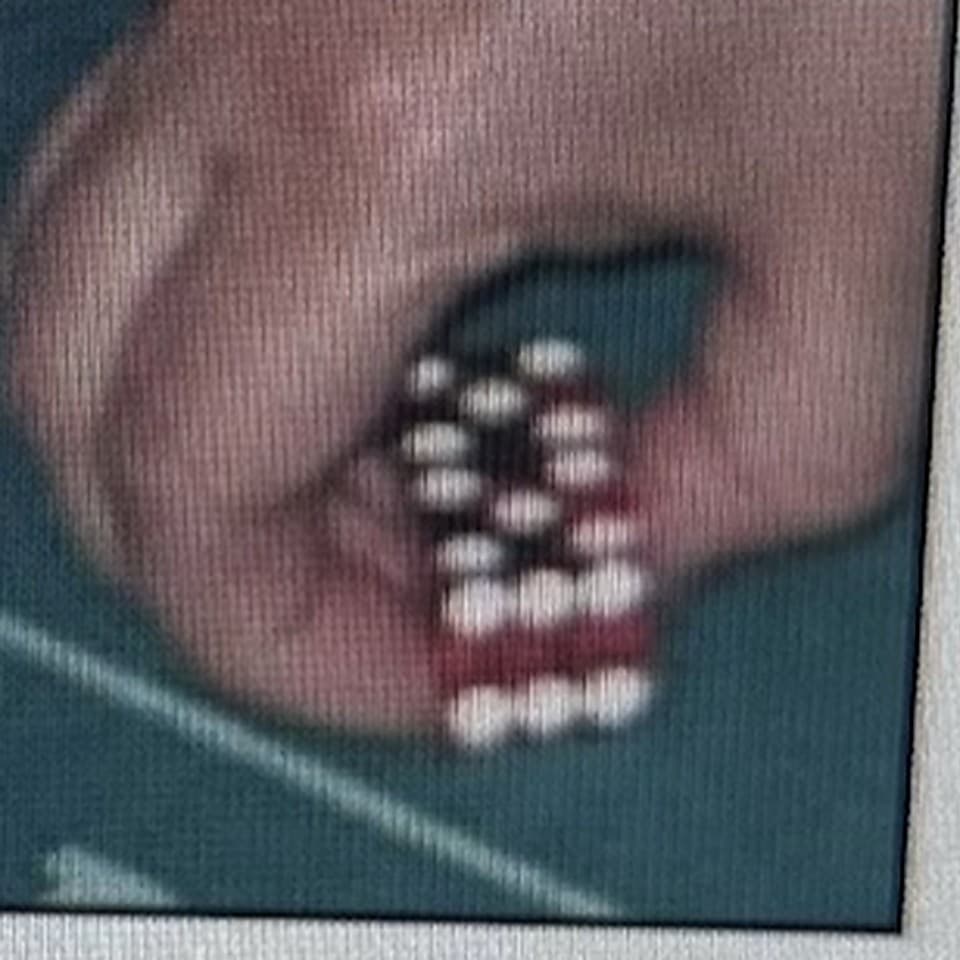
The outside fingers steady the outer faces, the middle fingers share the front, and the thumb supports the rear. More contact area makes pressure balance especially important.
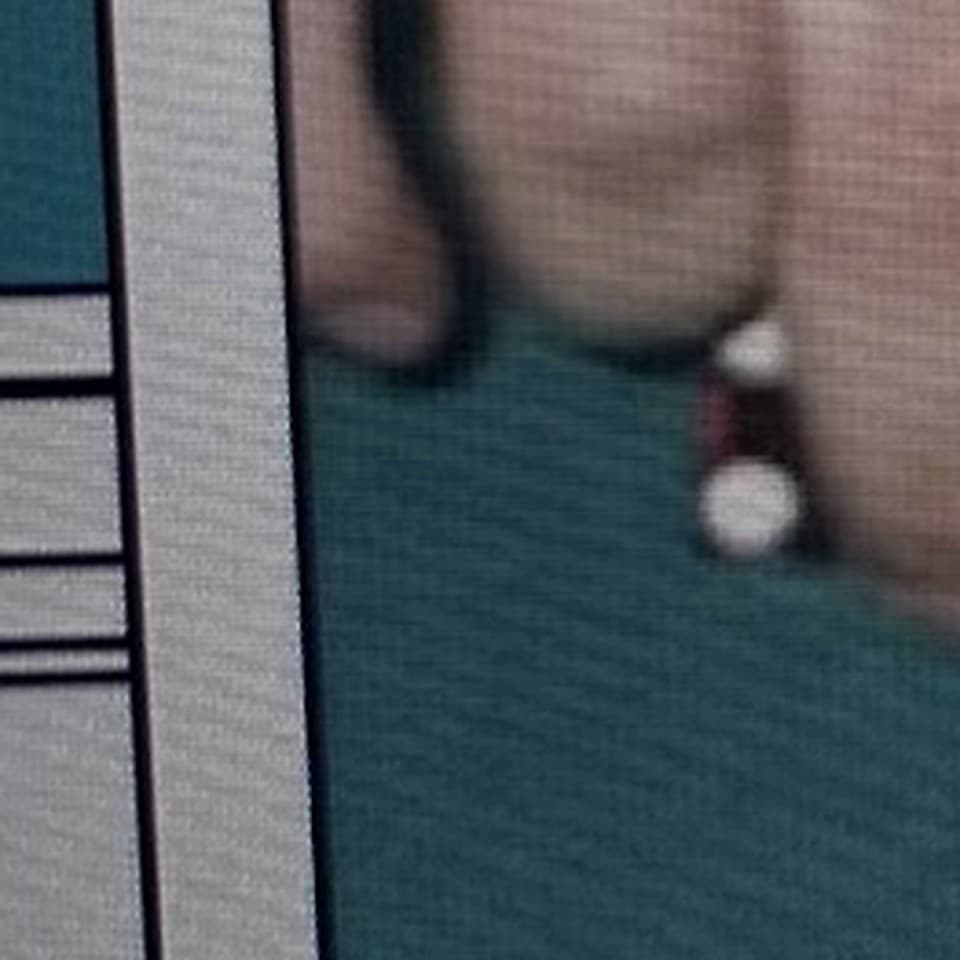
Thumb and index finger contact opposing rear-lower and front-upper edges. Minimal contact makes small pressure differences easy to feel and review.
Table Adaptation · 04
Table length, surface firmness and rebound response change the useful release height, angle, force and landing approach. These three modules organise the adjustments rather than prescribing one throw for every table.
Axis control
Organise the rotation axis, matched speed, and alignment of both dice to build a stable, repeatable release for each practice objective.
View demonstrations on the channelRelease
Break down finger pressure, spacing, swing path, release timing, and separation after both dice leave the hand.
View demonstrations on the channelTable contact
Observe trajectory, intended landing zone, first contact, table response, and movement towards the back wall.
View demonstrations on the channelThe Unica Craps Channel brings the full demonstrations for dice settings, grip methods, and table-adapted throwing technique together in one place.
Unica Craps Channel